+63 966 079 0909
  aabiotek@gmail.com
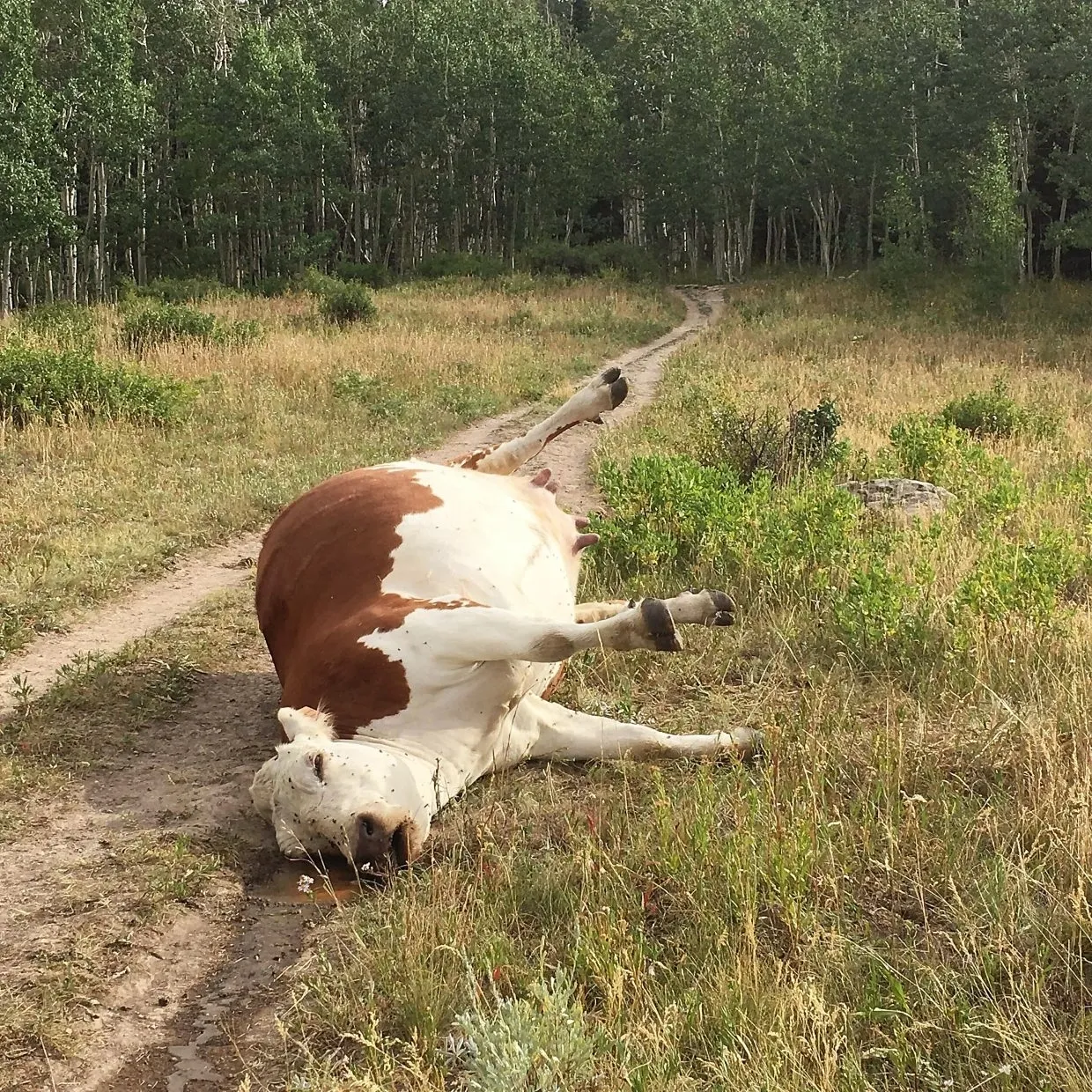
Bloat is a persistent challenge in cattle farming, affecting both large commercial herds and small-scale operations. This condition, which results from the accumulation of gas in the rumen, can quickly escalate from mild discomfort to life-threatening complications. Understanding the causes of bloat and employing probiotics as a preventive measure can transform herd health, reduce losses, and improve farm profitability. In this article, we delve into the intricacies of bloat, examine the role of probiotics in maintaining digestive health, and provide actionable solutions backed by real-world data and scientific research.
The Complexities of Bloat in Cattle
Bloat manifests in two primary forms: frothy bloat and free-gas bloat. Frothy bloat typically occurs when cattle consume lush legumes such as alfalfa or clover. These plants produce a stable foam that traps gas in the rumen, preventing its normal release. Free-gas bloat, on the other hand, results from blockages or ruminal motility disorders that hinder the animal’s ability to expel gas. Both conditions pose serious threats, including rumen distension, compression of the lungs, and reduced blood flow, which can lead to death if not addressed promptly.
Research conducted by Majak et al. (2003) in British Columbia revealed that frothy bloat accounted for approximately 3.5% of annual mortality in pastured cattle. This figure highlights the economic toll of the condition, which includes not only the loss of livestock but also reduced milk production, decreased growth rates, and treatment costs. Addressing these challenges requires a multi-faceted approach that prioritizes the microbial balance in the rumen.
How Probiotics Prevent Bloat
Probiotics offer a sustainable solution by modulating the rumen microbiome, fostering an environment that mitigates the risks of bloat. Species such as Lactobacillus sp. and Saccharomyces cerevisiae have been shown to enhance the breakdown of fibrous plant material, ensuring a steady fermentation process without excessive gas production. These microorganisms outcompete gas-producing bacteria like Clostridium spp., reducing the likelihood of foam formation in frothy bloat.
A study by Chaucheyras-Durand et al. (2012) demonstrated the efficacy of S. cerevisiae in promoting rumen stability under high-concentrate feeding conditions. Conducted in France, the trial involved 300 dairy cattle over six months. Cows supplemented with probiotics showed a 25% reduction in bloat episodes compared to the control group. Additionally, milk yield increased by 15%, providing compelling evidence of the economic benefits associated with probiotic supplementation.
Dietary Strategies for Prevention
Maintaining a balanced diet is critical in managing bloat risk. Diets high in legumes or rapidly fermentable carbohydrates can disrupt rumen function, leading to excessive gas production. Incorporating roughage such as hay or straw ensures adequate saliva production, which acts as a natural buffer against ruminal acidity.
Gradual dietary transitions also play a crucial role. A case study from the University of Guelph (2020) highlighted the consequences of abrupt feed changes in beef cattle. Farmers who transitioned herds to high-grain diets over three days experienced a bloat incidence rate of 18%, compared to 5% in herds where transitions occurred over two weeks. Probiotic supplementation during these transition periods further reduced bloat occurrences, underscoring the importance of integrating microbial solutions with sound feeding practices.
Practical Probiotic Applications
For commercial operations, incorporating probiotics into the feed or water supply is a scalable and effective strategy. Products containing Lactobacillus sp. or Bacillus sp. can be seamlessly integrated into Total Mixed Rations (TMR) or top-dressed on forage. Non-commercial farmers can explore low-cost options such as fermenting feed with yogurt cultures, a practice common in rural Southeast Asia.
Monitoring herd health is vital when implementing probiotics. Regular observation of cattle behavior, rumen fill, and fecal consistency provides early indicators of digestive imbalances. Farmers should also evaluate the efficacy of probiotic programs by tracking key performance metrics, such as average daily gain (ADG) and milk production.
Case Studies in Probiotic Use
In 2018, a cooperative farm in Queensland, Australia, faced recurring bloat issues during the winter grazing season. The farm introduced a probiotic supplement containing Enterococcus faecium sp. to 150 dairy cows grazing on clover-dominant pastures. Over the next three months, bloat incidence dropped by 40%, and milk output per cow increased by 10 liters daily. The farm reported a return on investment of 5:1, illustrating the financial viability of probiotic solutions.
Broader Implications for Sustainability
Beyond preventing bloat, probiotics contribute to the sustainability of cattle farming. By reducing the need for antibiotics, they align with global efforts to combat antimicrobial resistance. Furthermore, probiotics enhance feed efficiency, reducing methane emissions—a significant contributor to agricultural greenhouse gases. The adoption of microbial solutions offers a pathway to greener and more resilient livestock production systems.
Conclusion
The prevention of bloat in cattle requires a holistic approach that combines balanced nutrition, sound management practices, and innovative solutions like probiotics. Probiotics not only address the root causes of bloat but also offer a host of benefits, including improved productivity, reduced methane emissions, and better overall animal welfare. Whether you are a commercial farmer or a small-scale operator, integrating probiotics into your herd management plan can transform your results.
At AA Biotek, we provide cutting-edge probiotic products designed to optimize rumen health and prevent bloat. Our solutions are tailored to meet the needs of farmers across all scales. Visit www.aabiotek.com to explore our range of probiotics and take the first step toward a healthier, more sustainable herd.