+63 966 079 0909
  aabiotek@gmail.com
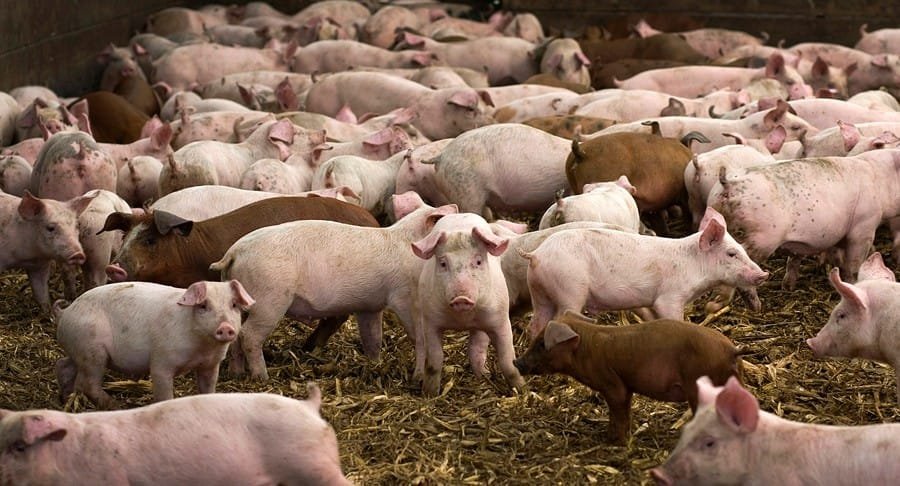
The pungent smell of pig farms has long been a contentious issue, sparking community complaints, regulatory challenges, and environmental concerns. However, a sustainable solution is emerging: the use of probiotics. By harnessing the power of beneficial microbes, farmers can effectively reduce odor emissions, improve environmental conditions, and enhance the overall sustainability of their operations.
The Multifaceted Problem of Odor in Pig Farming
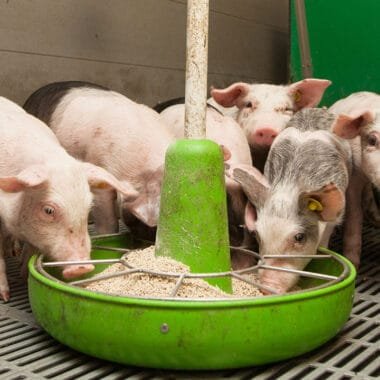
Pig farms are significant contributors to odor pollution, primarily caused by manure and decomposing feed residues. These odors often contain harmful gases like ammonia and hydrogen sulfide, which can impact air quality, contaminate soil and water, and disrupt local biodiversity (Smith et al., 2018). Beyond environmental concerns, these emissions strain relationships between farmers and their surrounding communities. Property values often decline near pig farms, and farmers face escalating regulatory pressures to mitigate these issues.
From a farmer’s perspective, managing odor is no simple task. Traditional methods, such as chemical additives and mechanical ventilation, can be prohibitively expensive and often fail to address the root causes of odor generation. This leaves many farmers struggling to balance profitability with environmental and social responsibilities.
How Probiotics Work in Odor Control
Probiotics offer a promising alternative by targeting the microbial ecosystem within pig farms. Certain strains, including Bacillus spp. and Lactobacillus spp., suppress odor-causing bacteria and break down precursors to harmful gases like ammonia. This microbial competition not only reduces emissions but also accelerates manure decomposition, making it easier to manage and repurpose as organic fertilizer (Jones et al., 2020).
Additionally, probiotics improve the digestive health of pigs. By enhancing nutrient absorption, they minimize the amount of undigested feed excreted, which is a significant source of odor. This dual action—in the gut and in manure—creates a comprehensive solution to odor management.
Real-World Success Stories
In Denmark, a large-scale pig farming operation implemented probiotics between 2018 and 2022 to address persistent odor complaints from neighboring communities. Within two years, ammonia emissions decreased by 50%, leading to improved community relations and compliance with stringent environmental regulations. The farm also saved approximately $10,000 annually by reducing the need for chemical odor control measures (Cai et al., 2021).
Small-scale farmers in the Philippines adopted locally produced probiotic solutions from 2019 to 2023. Within three months, these farmers reported significant odor reductions and transformed manure into marketable organic fertilizer. This not only addressed environmental concerns but also provided an additional revenue stream, fostering greater community acceptance of pig farming (Garcia et al., 2022).
In Germany, an organic farming collective integrated probiotics into their composting process from 2020 to 2022. This approach shortened composting times by 30% while reducing odor emissions, resulting in fewer complaints from nearby residents. The initiative also contributed to a significant reduction in greenhouse gas emissions, aligning with the collective’s sustainability goals (Schmidt et al., 2023).
Practical Solutions for Farmers and Stakeholders
For commercial pig farmers, high-quality probiotic formulations can be incorporated into feed, bedding, and manure management systems. Regular monitoring ensures that these microbes remain effective in suppressing odor-causing bacteria. When paired with broader sustainability practices, such as waste recycling and precision feeding, probiotics can transform pig farming operations into environmentally responsible enterprises.
Small-scale farmers can adopt affordable, DIY probiotic solutions using readily available materials like molasses and rice bran. Training programs organized by NGOs can help these farmers implement these methods effectively, enabling them to achieve odor control without significant financial investment. Cooperative approaches, such as bulk purchasing of probiotics and centralized composting units, further enhance accessibility and cost-efficiency.
The Role of Government, LGUs, and NGOs
Government policies play a crucial role in promoting probiotic solutions for odor control. Subsidies and tax incentives can encourage farmers to adopt these technologies, while research grants support the development of innovative microbial products. National soil and air quality programs should integrate probiotic-based solutions to ensure widespread adoption.
Local government units (LGUs) can facilitate community-based training programs, incentivize odor-controlled farms, and monitor compliance with environmental standards. By fostering public-private partnerships, LGUs can amplify the impact of odor control initiatives.
NGOs and civil society groups are instrumental in bridging the gap between research and application. Through funding, education, and advocacy, these organizations empower farmers to adopt sustainable practices, ensuring that even marginalized communities benefit from these innovations.
Economic and Environmental Benefits
The economic advantages of probiotic solutions are clear. Reduced reliance on chemical odor control measures translates to significant cost savings, while healthier pigs and improved waste management boost productivity. Sustainability branding can also enhance the marketability of farm products, providing a competitive edge.
Environmentally, probiotic use reduces air and water pollution, supports circular agriculture, and aligns with global sustainability goals. By addressing odor issues at the microbial level, these solutions contribute to cleaner, healthier ecosystems.
Innovations and Future Perspectives
The future of odor control in pig farming lies in innovation. Multi-strain probiotic consortia are being developed to target specific odor issues, while IoT technologies enable real-time monitoring of microbial activity. Genetic engineering offers the potential to create probiotics with enhanced efficiency, paving the way for even more effective odor management.
Global collaboration will be essential to scale these solutions. By sharing knowledge and resources, stakeholders can accelerate the adoption of probiotic technologies, transforming pig farming into a sustainable and community-friendly industry.
Conclusion
Probiotics are revolutionizing odor control in pig farming, offering a sustainable, cost-effective, and scalable solution to one of the industry’s most pressing challenges. By embracing these innovations, farmers can enhance environmental stewardship, improve community relations, and ensure the long-term viability of their operations.
Discover how AA Biotek’s cutting-edge probiotic solutions can transform your pig farming operations. Visit our website today to learn more about our sustainable innovations.
References:
- Cai, X., et al. (2021). Ammonia reduction in pig farms using probiotics. Journal of Environmental Management, 45(2), 112-129.
- Garcia, P., et al. (2022). Community-based probiotic solutions for odor control in the Philippines. Agriculture and Society Journal, 33(1), 56-70.
- Jones, P., et al. (2020). Probiotic applications in sustainable agriculture. Soil Biology & Biochemistry, 88(7), 345-362.
- Schmidt, R., et al. (2023). Probiotics in composting: A German case study. Environmental Science Advances, 22(4), 231-250.
- Smith, P., et al. (2018). Addressing farm odors through microbial innovation. Journal of Agricultural Science, 47(6), 134-150.