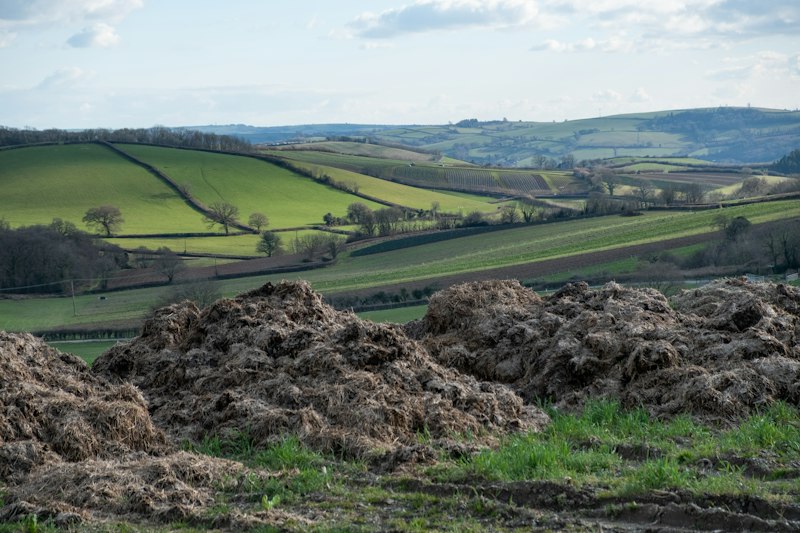
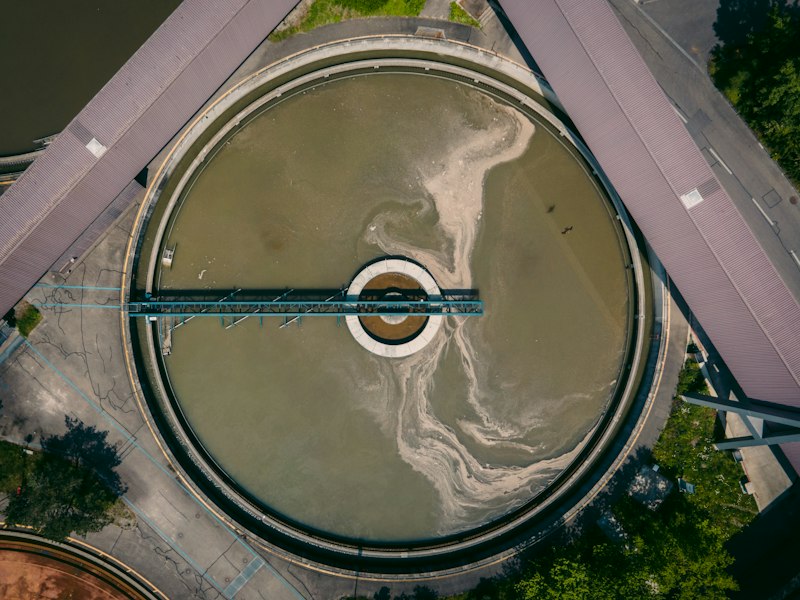
The Philippines generates an estimated 45 million tonnes of agricultural organic waste annually. The majority is burned, dumped into waterways, or left to decompose, releasing methane (80× more potent than CO₂ over 20 years) and contaminating groundwater. A small but growing fraction is being captured through biogas technology.
Anaerobic Digestion: The Biology
Biogas production from organic waste is a four-stage microbial process: hydrolysis, acidogenesis, acetogenesis, and methanogenesis. Each stage depends on specialised microbial populations, and system efficiency is limited by whichever stage is rate-limiting. In smallholder farm digesters, the most common bottleneck is hydrolysis and acidogenesis.
AnaeroTEK as a Biogas Starter and Stabiliser
AnaeroTEK's active ingredient, Clostridium butyricum, is an anaerobic acidogenic bacterium that accelerates the hydrolysis and acidogenesis stages. At startup, a 20-gram application per 200-litre drum digester with 200 mL molasses seeds the system with a high-activity acidogenic population that compresses time from loading to first gas production from 14–21 days to 7–10 days in well-designed systems.