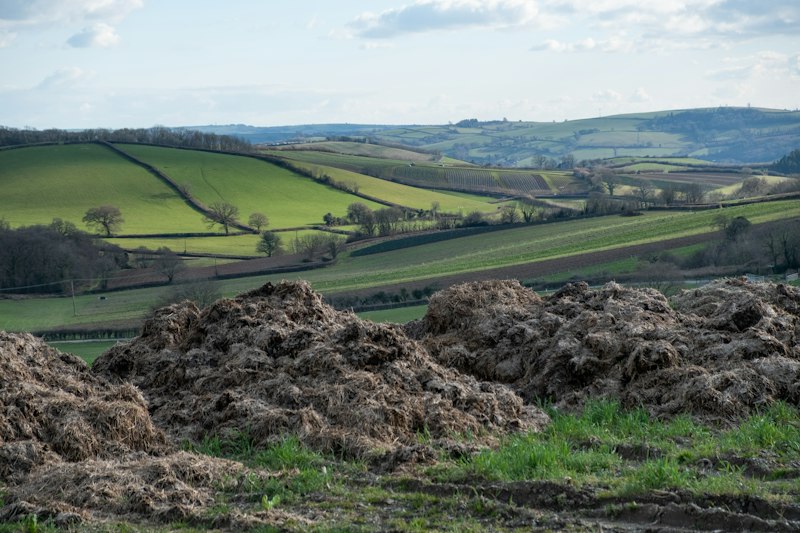
The linear model of Philippine agriculture — inputs applied, harvest extracted, residues burned or discarded — has dominated for decades. It is both environmentally costly and economically inefficient: valuable nutrients and energy locked in crop residues, livestock manure, and aquaculture sludge are destroyed rather than cycled back into productive use.
The Three-Stage Biological Waste Processing System
AA Biotek's eco-remediation portfolio supports a complete three-stage biological waste processing system. Stage one is aerobic decomposition with DecomTEK, which processes fresh organic waste into stable compost with reduced odour and improved nutrient bioavailability. Stage two is anaerobic digestion of high-moisture organic waste with AnaeroTEK, capturing methane energy as biogas and producing digestate as a high-value liquid fertilizer. Stage three is sanitisation of food-contact surfaces with SaniTEK.
The Economic Case
A medium-scale integrated farm of 20 hectares with 500 pigs and 10,000 broilers generates approximately 15 tonnes of manure and litter per week. Processed through a DecomTEK-managed composting system, this produces 3–4 tonnes of finished compost per week — worth ₱6,000–₱10,000 at farm gate prices. The biogas captured can replace LPG for on-farm cooking — saving ₱3,000–₱5,000 per month. The circular flow transforms a compliance burden into a revenue stream.


