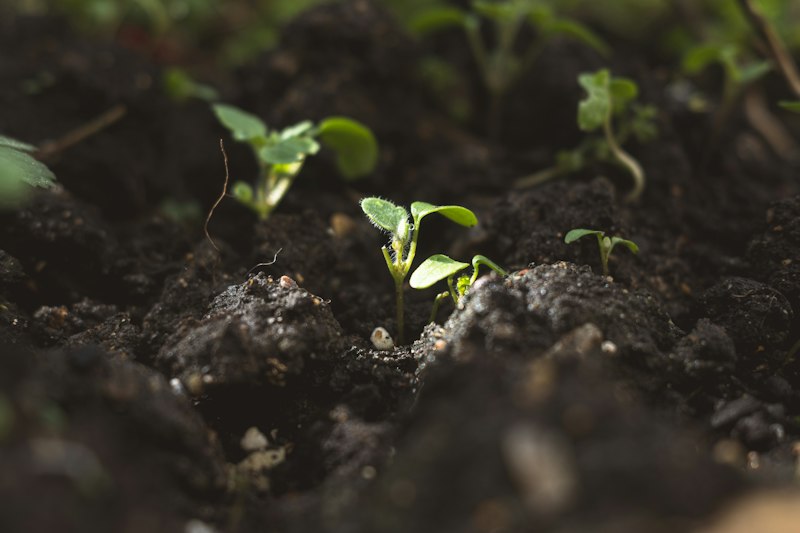
The highlands of Benguet Province produce the majority of the Philippines' highland vegetables — tomatoes, bell peppers, cabbage, and lettuce — destined for Metro Manila markets and increasingly for export processing. Intensive cropping over decades has depleted soil microbiology, and nitrogen cycling has slowed significantly.
What Blossom Drop Is Costing Benguet Growers
Blossom drop — premature shedding of flowers before fruit set — is one of the most economically damaging conditions in solanaceous vegetable production. It affects tomatoes, peppers, and eggplant and is triggered by temperature fluctuations, nutrient imbalances, and hormonal disruption during the critical flowering window. Conservative estimates suggest 15–25% of potential yield is lost to blossom drop in Philippine highland farms each season.
VeggieFloraTEK's active ingredient, Azospirillum brasilense, is a plant-growth-promoting rhizobacterium (PGPR) with a well-documented mechanism for addressing several root causes of blossom drop simultaneously. It produces indole-3-acetic acid (auxin) and cytokinins that support floral retention, fixes atmospheric nitrogen associatively, and chelates phosphorus and zinc supporting enzyme systems critical during flowering.
Grower Results: Patterns Across the Season
Cooperator growers applying VeggieFloraTEK as a weekly foliar and soil drench from transplanting through flowering reported three consistent observations: flower set percentage increased, fruit sizing became more uniform, and the harvest window compacted — more fruit coming to marketable size within a shorter timeframe, reducing labour costs per harvest pass.
The uniformity improvement matters enormously for market access. Manila fresh markets and supermarket chains apply strict grading standards that penalise mixed sizing. Growers achieving tighter uniformity report higher percentage acceptance by premium buyers and less product rejected at receiving.
Integration With Conventional Programs
VeggieFloraTEK is fully compatible with conventional fertilizer programs when applied on a split-timing basis. Chemical fertilizer applications are made first; VeggieFloraTEK soil drenches follow 24–48 hours later once chemical concentrations have dissipated from the root zone.