+63 966 079 0909
  aabiotek@gmail.com

Global food demand is projected to rise by 60% by 2050 (FAO, 2021). Yet, traditional farming practices, heavily reliant on synthetic fertilizers, are increasingly scrutinized for their environmental impact and diminishing returns. In response, probiotic-based fertilizers have emerged as a sustainable and effective alternative for boosting crop yields while preserving soil health and reducing chemical dependency.
This article explores the science behind probiotic fertilizers, their proven benefits, and real-world success stories showcasing their transformative impact on agriculture.
What Are Probiotic-Based Fertilizers?
Probiotic-based fertilizers utilize beneficial microorganisms to improve soil health, nutrient availability, and crop growth. These microbes restore the natural balance of the soil microbiome, fostering a symbiotic relationship between plants and the soil ecosystem.
Common microbes in these fertilizers include:
- Bacillus sp.: Enhances nutrient solubilization and provides resistance to pathogens.
- Azospirillum sp.: Fixes atmospheric nitrogen, reducing reliance on synthetic nitrogen inputs.
- Pseudomonas sp.: Produces plant growth-promoting hormones such as auxins, boosting root and shoot development.
Unlike synthetic fertilizers that provide direct nutrient input, probiotics work by creating a healthier soil environment, resulting in long-term agricultural sustainability.
How Probiotic-Based Fertilizers Improve Crop Yield
1. Enhanced Nutrient Availability
Probiotic fertilizers increase nutrient cycling by breaking down organic matter and releasing locked nutrients, such as phosphorus, for plant uptake.
Case Study (India, 2020):
- Location: Punjab, India
- Crop: Wheat
- Results: A probiotic fertilizer containing Bacillus sp. improved phosphorus uptake by 20%, leading to a 15% increase in yield compared to conventional fertilizers (Kumar et al., 2020).
2. Improved Soil Structure and Health
Probiotic microbes enhance soil aggregation, improving aeration and water retention—essential factors for plant growth in arid and erosion-prone areas.
Case Study (Kenya, 2021):
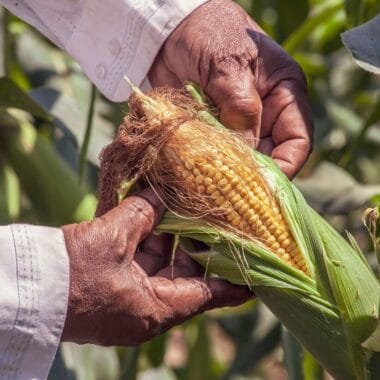
- Location: Rift Valley, Kenya
- Crop: Maize
- Results: Probiotic applications reduced soil erosion by 30% and increased water-holding capacity by 25%, resulting in a 12% increase in yield (FAO, 2021).
3. Natural Disease Suppression
Certain probiotics suppress soil-borne pathogens through competition and antimicrobial production. For example, Pseudomonas sp. produces siderophores that limit pathogen access to nutrients like iron.
Case Study (Spain, 2020):
- Location: Murcia, Spain
- Crop: Tomatoes
- Results: Farmers observed a 50% reduction in disease incidence and a 10% increase in yield after using a probiotic fertilizer enriched with Pseudomonas sp. (Gomez et al., 2020).
4. Reduced Dependence on Chemical Inputs
Probiotic fertilizers naturally fix nitrogen and release nutrients, reducing the need for synthetic inputs.
Case Study (Philippines, 2019):
- Location: Nueva Ecija, Philippines
- Crop: Rice
- Results: Farmers who replaced 30% of synthetic nitrogen with an Azospirillum sp.-based probiotic saved $100 per hectare while maintaining comparable yields (De Guzman et al., 2019).
Environmental Benefits
Probiotic fertilizers not only boost yields but also deliver significant environmental advantages:
- Lower Greenhouse Gas Emissions: Probiotics optimize nitrogen uptake, reducing nitrous oxide emissions.
- Reduced Water Pollution: By minimizing chemical runoff, they prevent nitrate leaching into nearby water systems.
Real-World Impact (Brazil, 2021):
In São Paulo, farms using probiotic fertilizers reduced nitrate leaching by 40%, significantly improving local water quality (Rodrigues et al., 2021).
Adoption Challenges and Solutions
Despite their potential, the widespread adoption of probiotic fertilizers faces several challenges:
- Initial Costs: Probiotics require higher upfront investment compared to conventional fertilizers.
- Awareness Gaps: Limited knowledge about the effectiveness of probiotics among farmers hinders adoption.
To address these issues, governments and private companies like AA Biotek are introducing subsidy programs, field demonstrations, and training sessions to encourage farmers to make the switch.
The Future of Sustainable Agriculture
Probiotic-based fertilizers are revolutionizing agriculture by offering a sustainable, eco-friendly alternative to synthetic inputs. Countries like India, Kenya, and the Philippines have already demonstrated their effectiveness in enhancing nutrient availability, improving soil health, and reducing chemical dependency.
With continued research and development, probiotics are set to play a pivotal role in the global transition to sustainable farming.
Conclusion: Partner with AA Biotek for a Greener Future
The path to sustainable agriculture lies in embracing innovative solutions like probiotic-based fertilizers. AA Biotek is at the forefront of this transformation, delivering cutting-edge products that enhance productivity while preserving the environment. Join the movement toward a greener, more sustainable future by exploring AA Biotek’s revolutionary solutions today.
References
- Kumar, P., et al. (2020). “Role of Probiotics in Enhancing Phosphorus Uptake in Wheat.” Indian Agricultural Journal.
- FAO. (2021). “Microbial Soil Enhancers in Kenyan Agriculture.” FAO Annual Report.
- Gomez, A., et al. (2020). “Impact of Probiotics on Tomato Yields in Spain.” Horticulture Advances.
- De Guzman, R., et al. (2019). “Cost-Effective Fertilizer Strategies for Philippine Rice Farmers.” Sustainable Farming Journal.
- Rodrigues, L., et al. (2021). “Probiotic Fertilizers in Brazil: Environmental and Economic Impacts.” Journal of Soil Science.