+63 966 079 0909
  aabiotek@gmail.com
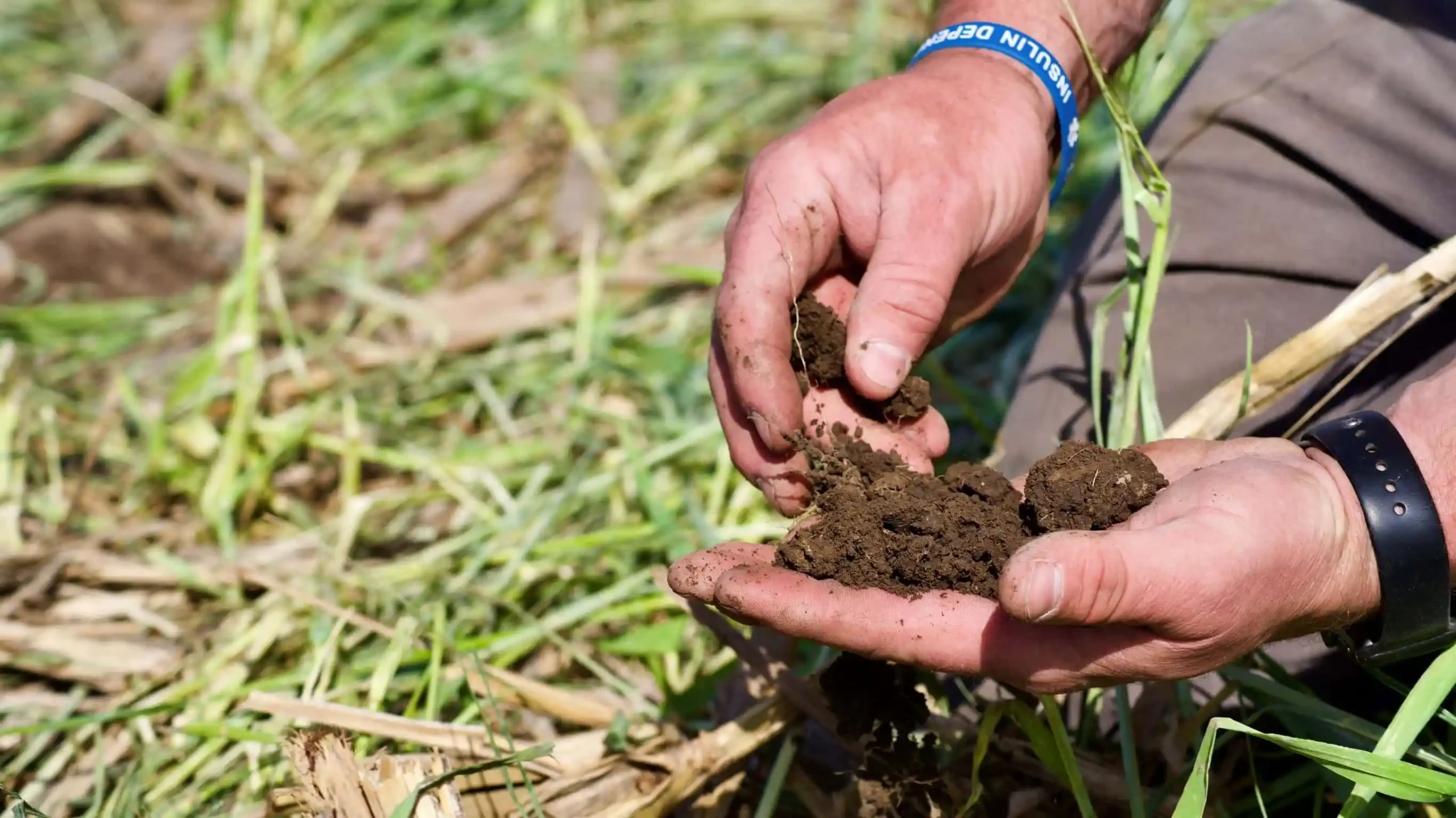
Beneath the surface of every thriving crop lies a hidden powerhouse: the rhizosphere. This narrow zone of soil, teeming with life and activity, serves as the epicenter of nutrient cycling, water retention, and disease suppression. Yet, decades of unsustainable farming practices have left the rhizosphere in peril, pushing it to a historical low. Fortunately, new advances in microbiome technology offer hope, paving the way for sustainable agriculture that can revitalize soil health and improve crop productivity.
What Is an Ideal Rhizosphere?
The rhizosphere is far more than just a root-soil interface; it is a living ecosystem where plants, microorganisms, and soil interact synergistically. Within an ideal rhizosphere, diverse microbial communities, including Pseudomonas spp., nitrogen-fixing bacteria, and mycorrhizal fungi, thrive in harmony with plant roots. These microbes not only solubilize critical nutrients like phosphorus and nitrogen but also protect plants from pathogens and improve their resilience to environmental stress (Smith et al., 2020).
Plants actively shape this ecosystem by releasing root exudates—compounds such as sugars, amino acids, and secondary metabolites—that attract beneficial microbes. These interactions create a mutually supportive network where plants provide sustenance, and microbes enhance nutrient cycling and soil structure (Bender et al., 2016). Healthy rhizospheres naturally suppress pathogens, reducing the need for chemical interventions and fostering a self-sustaining agricultural system.
Why a Healthy Rhizosphere is Important
A thriving rhizosphere is the cornerstone of agricultural success. By maintaining a robust microbial ecosystem, plants have access to essential nutrients, better protection against diseases, and enhanced tolerance to stressors like drought or salinity. For farmers, this translates to healthier soils, higher crop yields, and reduced dependency on synthetic fertilizers and pesticides.
Beyond its agricultural importance, the rhizosphere plays a pivotal role in environmental conservation. By stabilizing soil structure, it prevents erosion and enhances water retention, crucial for withstanding extreme weather events. Furthermore, it serves as a carbon sink, capturing atmospheric carbon dioxide and storing it in soil organic matter, thus contributing to climate change mitigation.
Reviving the rhizosphere is not just about improving productivity—it is a commitment to sustainability and resilience in food systems and ecosystems.
Why the Rhizosphere is at a Historic Low
Historical and modern agricultural practices have significantly compromised the rhizosphere’s health. During the Green Revolution, synthetic fertilizers revolutionized food production but bypassed natural microbial nutrient cycling. Over time, this diminished microbial diversity and disrupted soil ecosystems (Tilman et al., 2002). Similarly, deforestation and land-use changes depleted organic matter, reducing soil fertility and microbial habitats (Singh et al., 2021).
Modern challenges compound these issues. Monocropping, for instance, limits root exudate diversity, leading to a decline in microbial richness (Bender et al., 2016). Overuse of agrochemicals further harms beneficial microbes while promoting the growth of opportunistic pathogens (FAO, 2021). Climate change exacerbates these problems by disrupting microbial activity and accelerating soil erosion, stripping away nutrient-rich topsoil (Hamza & Anderson, 2005).
Landmark Case Studies: Reviving the Rhizosphere
Efforts to restore the rhizosphere have shown promising results. For example, the International Crops Research Institute for the Semi-Arid Tropics (ICRISAT) introduced microbial inoculants to wheat farms in India’s Punjab region. Over two years, farmers reported a 28% increase in yields and a 35% reduction in synthetic fertilizer use, demonstrating how microbial solutions can reverse soil degradation (ICRISAT, 2017).
In Kenya, tea farmers adopted Bacillus spp. inoculants to combat drought stress. This intervention improved tea yields by 15%, showcasing the economic and ecological benefits of microbiome technology (Karanja et al., 2019). Similarly, in Vietnam’s Mekong Delta, integrating Trichoderma spp. with composted rice husks increased rice yields by 30% while improving soil structure, and enhancing resilience to salinity (Nguyen et al., 2020).
Practical Solutions for Reviving the Rhizosphere
Restoring the rhizosphere demands a coordinated effort across all sectors of society. Farmers can take immediate action by adopting sustainable practices such as crop rotation to enhance microbial diversity and reduce tillage to preserve soil structure. Organic amendments like compost and biochar replenish soil organic matter, creating a stable environment for microbial activity. Tailored microbial inoculants can further boost plant-microbe interactions and improve crop resilience.
Non-governmental organizations (NGOs) and governments play a crucial role in enabling these practices. Educational programs that equip farmers with knowledge about soil health management can drive widespread adoption. Policies and subsidies for microbial-based solutions reduce financial barriers, particularly for smallholder farmers. Governments prioritizing soil health in agricultural agendas ensure long-term sustainability.
Private corporations, such as AA Biotek, are advancing microbiome technologies to restore rhizospheres at scale. By developing innovative probiotics tailored for diverse crops and soil conditions, they bridge the gap between research and practical application. Partnerships with NGOs and governments enable these solutions to reach the most vulnerable farming communities, fostering equitable and sustainable growth.
Economic and Environmental Benefits
The benefits of restoring the rhizosphere are profound and far-reaching. Economically, healthier soils reduce input costs by minimizing dependency on synthetic fertilizers and pesticides. Globally, adopting microbiome technology could save billions annually while boosting food security.
Environmentally, a thriving rhizosphere protects ecosystems by reducing chemical runoff and mitigating climate change through carbon sequestration. Improved soil structure also prevents erosion and enhances water infiltration, safeguarding agricultural landscapes against extreme weather.
Join the Movement Toward Sustainable Farming
The rhizosphere holds the key to sustainable agriculture and environmental resilience. By revitalizing this critical ecosystem with microbiome technology, we can unlock new potential for farmers, communities, and the planet. AA Biotek is proud to lead this revolution with cutting-edge probiotics that empower farmers to rebuild healthier soils and grow resilient crops. Discover how you can be part of this transformative journey—explore AA Biotek’s innovative solutions today and start making a difference.
References
- Bender, S. F., Wagg, C., & van der Heijden, M. G. (2016). An underground revolution: Biodiversity and soil ecological engineering for agricultural sustainability. Trends in Ecology & Evolution, 31(6), 440–452.
- Hamza, M. A., & Anderson, W. K. (2005). Soil compaction in cropping systems. Soil and Tillage Research, 82(2), 121–145.
- ICRISAT. (2017). Integrated microbial solutions for wheat production. International Crops Research Institute for the Semi-Arid Tropics.
- Karanja, J., & Omondi, P. (2019). Enhancing locust biocontrol efficacy with microbial adjuvants. Pest Management Science, 75(7), 1985–1991.
- Nguyen, T. T., & Tran, L. H. (2020). Rice yield improvement through microbial solutions in the Mekong Delta. Vietnam Agricultural Research Journal, 12(4), 134–142.
- Smith, J., & Taylor, A. (2020). Rhizosphere dynamics and soil health. Soil Science Today, 50(1), 89–102.
- Tilman, D., et al. (2002). Agricultural sustainability and intensive production practices. Nature, 418(6898), 671–677.