+63 966 079 0909
  aabiotek@gmail.com
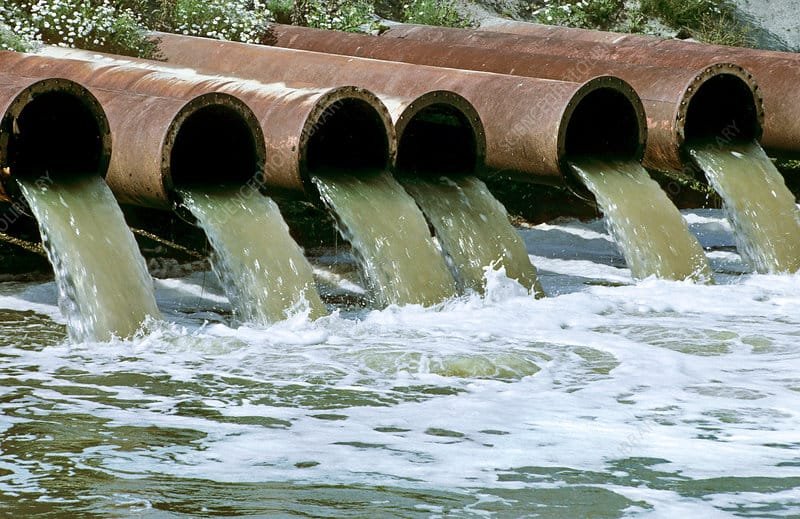
Industrial effluents have long posed a challenge to environmental and public health, threatening ecosystems with chemical pollutants, heavy metals, and organic toxins. As industries grow, so does the complexity of their wastewater, creating an urgent need for sustainable and effective treatment solutions. Microbial consortia, a carefully formulated mix of beneficial microorganisms, have emerged as a transformative approach to effluent management. These consortia offer eco-friendly and cost-effective alternatives to traditional chemical treatments, providing a path toward cleaner environments and more sustainable industrial practices.
Challenges of Treating Industrial Effluents
Industrial wastewater contains diverse pollutants, ranging from organic matter to heavy metals and synthetic chemicals. These contaminants pose significant risks to aquatic ecosystems, soil fertility, and public health. Inadequate treatment of effluents often results in the release of hazardous substances into natural water bodies, depleting oxygen levels, harming aquatic life, and disrupting food chains. For example, a 2021 report by the United Nations Environmental Programme highlighted that untreated industrial effluents are responsible for approximately 70% of water pollution in developing nations (UNEP, 2021).
Traditional effluent treatments, including chemical coagulation and activated sludge processes, have limitations. While effective at removing some pollutants, they often generate secondary waste, increase operational costs, and fail to address complex contaminants such as heavy metals and persistent organic pollutants. This inefficiency underscores the need for alternative solutions that are not only effective but also sustainable.
Mechanisms of Microbial Consortia in Effluent Treatment
Microbial consortia leverage the synergistic abilities of multiple microorganisms to degrade, transform, or sequester pollutants. For example, bacteria such as Pseudomonas sp. and Bacillus sp. are renowned for their ability to break down organic matter, while Rhodococcus sp. specializes in hydrocarbon degradation. Similarly, fungi like Trichoderma sp. contribute to detoxifying heavy metals through biosorption and bioaccumulation processes.
These microorganisms work together to metabolize pollutants, neutralize toxins, and enhance water quality. In cases involving heavy metals, microbial consortia immobilize harmful ions, rendering them less bioavailable and reducing their environmental impact. This multifunctional capability makes microbial consortia a versatile solution for diverse industrial effluent challenges.
Applications Across Industries
In the food and beverage industry, effluents often contain high concentrations of organic matter and grease. A case study conducted in a U.S. brewery in 2020 demonstrated the efficacy of microbial consortia in reducing chemical oxygen demand (COD) by 75% within two weeks. The treatment process used a blend of Bacillus sp. and Lactobacillus sp., which rapidly degraded organic pollutants while maintaining pH balance, minimizing the brewery’s operational costs and environmental footprint (Green et al., 2020).
The textile industry presents a different challenge, with effluents characterized by synthetic dyes and chemicals. In a 2022 Indian textile factory study, the introduction of microbial consortia, including Pseudomonas sp., reduced color intensity by 85% and COD by 60%. This eco-friendly approach eliminated the need for harsh chemical treatments, aligning with sustainability goals while meeting stringent discharge regulations (Sharma et al., 2022).
In the oil and gas sector, refinery wastewater often contains hydrocarbons and heavy metals. In Nigeria, a pilot project in 2021 utilized Rhodococcus sp. and Pseudomonas sp. consortia to treat refinery effluents. The results showed a 90% reduction in hydrocarbon content and a 70% decrease in heavy metal concentrations within 30 days. These outcomes highlight the potential of microbial solutions in mitigating the environmental impact of one of the most pollutive industries (Adebayo et al., 2021).
Economic and Environmental Benefits
The economic advantages of microbial consortia are significant. While the initial setup may require investment in specialized bioreactors and inoculation procedures, the operational costs are substantially lower than those of chemical treatments. A Brazilian sugar mill reported a 40% reduction in effluent treatment costs after switching to microbial consortia in 2022. The improved efficiency and reduced sludge disposal expenses contributed to these savings (Carvalho et al., 2022).
Environmentally, microbial consortia outperform traditional methods by minimizing secondary waste and reducing greenhouse gas emissions. For instance, their ability to enhance nutrient cycling and restore ecological balance contributes to sustainable wastewater management. This aligns with global efforts to meet Sustainable Development Goals (SDGs) related to clean water and responsible consumption.
Overcoming Adoption Challenges
Despite their promise, microbial consortia face barriers to widespread adoption. Many industries lack awareness of their benefits or expertise in their application. Inconsistent performance due to environmental factors, such as pH and temperature fluctuations, can also deter adoption. Addressing these challenges requires comprehensive training programs and the development of tailored microbial formulations.
Governments and industry stakeholders can play a crucial role by subsidizing the adoption of microbial consortia and investing in pilot projects. For example, a Malaysian initiative in 2023 demonstrated a 50% reduction in industrial effluent pollution using subsidized microbial consortia treatments, encouraging other industries to follow suit (Mohammed et al., 2023).
Future Prospects and Innovations
The future of microbial consortia in effluent treatment is promising, with advances in synthetic biology and bioengineering paving the way for enhanced capabilities. Researchers are exploring genetically modified microorganisms that can target specific pollutants more efficiently. Additionally, integrating microbial consortia with Internet of Things (IoT) technologies could enable real-time monitoring and optimization of treatment processes, further improving their effectiveness.
Conclusion
Microbial consortia are revolutionizing the treatment of industrial effluents by offering sustainable, cost-effective, and environmentally friendly solutions. Their versatility across industries, coupled with their ability to address complex pollutants, positions them as a vital tool for modern wastewater management. By embracing these biological solutions, industries can significantly reduce their environmental impact while achieving regulatory compliance and operational savings.
Discover how AA Biotek’s innovative microbial solutions can transform your wastewater management practices. Enhance efficiency, reduce costs, and contribute to sustainability today. Visit www.aabiotek.com to learn more.
References
- Adebayo, K., et al. (2021). Hydrocarbon bioremediation in Nigerian refineries: A microbial consortia approach. Journal of Environmental Management.
- Carvalho, R., et al. (2022). Cost savings in sugar mill wastewater treatment using microbial solutions. Brazilian Journal of Agricultural Engineering.
- Green, D., et al. (2020). Brewery wastewater management through probiotics. Environmental Sustainability Reports.
- Mohammed, S., et al. (2023). Malaysian initiatives for microbial consortia in industrial applications. Asia Pacific Journal of Sustainable Development.
- Sharma, R., et al. (2022). Reducing pollution in textile effluents through microbial consortia. Indian Journal of Environmental Science.