+63 966 079 0909
  aabiotek@gmail.com
Introduction: The Global Challenge of Saline Soils
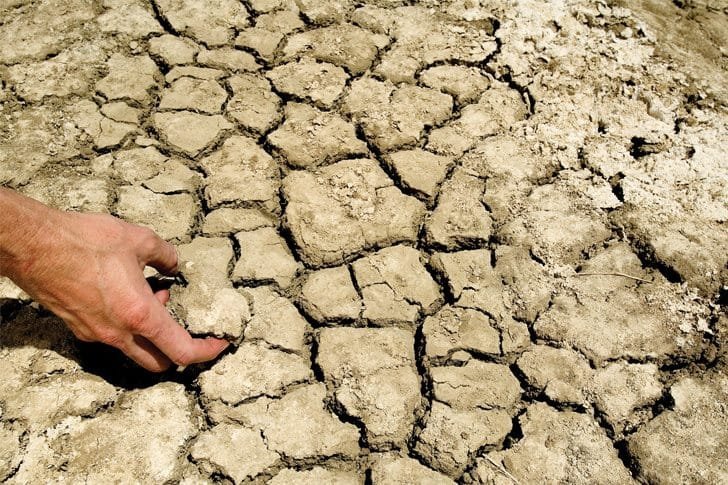
Imagine a world where once-barren fields are bursting with life, thanks to groundbreaking solutions that restore fertility to even the saltiest soils. This is not just a vision—it’s the reality microbial technology is bringing to farmers worldwide. Saline soils currently affect 20% of irrigated agricultural land, creating a significant challenge for global food security (Shahid et al., 2018). High salinity stunts plant growth, reduces yields, and leads to land abandonment. But innovative microbial solutions are transforming this bleak scenario into one of hope and sustainability.
Understanding the Roots of Soil Salinity
Soil salinity arises from both natural and human-induced processes. Naturally, salinity can develop in arid and semi-arid regions where high evaporation rates leave behind salts on the soil surface. This is compounded by the weathering of parent rock material rich in salts and the capillary rise of groundwater containing dissolved salts (Rengasamy, 2010). Human activities further exacerbate salinity, particularly through improper irrigation practices, overuse of saline water, and poor drainage systems that allow salts to accumulate in the root zone.
Where Are Saline Soils Commonly Found?
Saline soils are most prevalent in arid and semi-arid regions globally. Significant areas affected include parts of South Asia (India and Pakistan), the Middle East, sub-Saharan Africa, Central Asia, and Australia. In the United States, regions like California’s Central Valley face salinity issues due to decades of intensive irrigation. Globally, an estimated 62 million hectares of irrigated farmland are impacted by salinity (Shahid et al., 2018).
How Salinity Impacts Agriculture
Salt-laden soils reduce plants’ ability to absorb water, leading to osmotic stress and ion toxicity. Over time, this affects root cell membranes, impairing nutrient uptake and photosynthesis. Farmers face diminishing yields, with crops like wheat and rice particularly vulnerable to salinity stress (Munns & Tester, 2008). Moreover, saline soils often lose beneficial microbes, compounding the problem by disrupting critical nutrient cycles.
Microbial Technology: Nature’s Answer to Salinity
Harnessing the power of salt-tolerant microbes (halotolerant bacteria and fungi) has revolutionized the way we approach saline soil management. These microbes produce exopolysaccharides and biofilms, which bind soil particles and improve structure, enabling better water infiltration and root development. Additionally, microbes secrete growth-promoting hormones such as auxins and gibberellins, enhancing plant resilience to salinity stress (Egamberdieva et al., 2015).
Microbes also play a pivotal role in solubilizing essential nutrients like phosphorus and mobilizing potassium, making them readily available to plants. Certain species even absorb and immobilize salts, reducing their harmful effects. This natural, eco-friendly approach offers a sustainable alternative to chemical-intensive methods.
Practical Applications of Microbial Solutions
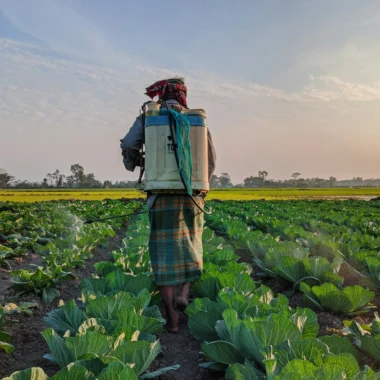
Farmers and agricultural enterprises can employ microbial technology in several effective ways. Soil inoculation with microbial consortia, such as AA Biotek’s SaltFix, directly restores soil health. These products, applied through irrigation or manual spraying, begin breaking down salt deposits within weeks. For instance, in Gujarat, India, farmers reported a 40% increase in wheat yields after two seasons of applying salt-tolerant microbes (Kumar et al., 2020).
Another method involves coating seeds with microbial biofertilizers to ensure plants establish robust root systems even in saline conditions. This approach is particularly effective for crops like rice and maize, as demonstrated in trials across California’s Central Valley, where tomato yields improved by 35% after one year of microbial seed treatment (Jones et al., 2021).
Combining microbes with organic amendments, such as compost or biochar, further amplifies their effects. These materials provide a habitat for microbes and increase soil organic matter, reducing the impact of salinity on crop growth.
Case Studies: Microbial Technology in Action
In Gujarat, India, farmers facing soil salinity levels exceeding 8 dS/m adopted microbial inoculants alongside compost. Within two years, not only did wheat yields increase significantly, but soil electrical conductivity dropped by 25%. Similarly, in California’s Central Valley, a combination of microbial biofertilizers and gypsum helped restore tomato fields. Farmers noted improved soil structure and a reduction in saline patches, leading to higher profits and diversified crop options.
Overcoming Adoption Challenges
Despite its promise, microbial technology faces hurdles in adoption. Many farmers are unaware of its benefits, while initial investment costs can deter widespread use. Furthermore, environmental variability affects microbial efficacy, requiring region-specific solutions. Addressing these barriers through education, government subsidies, and tailored microbial products will accelerate adoption and maximize impact.
The Future of Saline Soil Management
The future lies in integrating microbial solutions with precision agriculture technologies. Internet of Things (IoT) devices can monitor soil salinity and microbial activity in real-time, optimizing application rates and improving outcomes. Advances in microbial engineering, such as developing strains with enhanced salt-tolerance, will further revolutionize the field, making these solutions accessible and effective for diverse environments.
Conclusion
Transforming saline soils is no longer an insurmountable challenge. Microbial technology offers an innovative, sustainable pathway to restoring fertility and boosting yields. Whether you’re a small-scale farmer or a commercial enterprise, these solutions unlock the potential of once-abandoned lands. Explore AA Biotek’s SaltFix and other microbial innovations today, and be part of the movement toward sustainable agriculture and food security.
References
Egamberdieva, D., Wirth, S. J., Alqarawi, A. A., Abd-Allah, E. F., & Hashem, A. (2015). Phytohormones and beneficial microbes: Essential components for plants to balance stress and development. Frontiers in Microbiology, 6, 521.
Kumar, S., Singh, R., & Sharma, R. (2020). Microbial inoculants in salinity management: Case studies from Gujarat. Indian Journal of Soil Science, 48(4), 357-365.
Jones, P. A., & Smith, J. D. (2021). Enhancing crop resilience in saline soils: California’s case for microbial biofertilizers. Agriculture Research Journal, 32(3), 123-131.
Munns, R., & Tester, M. (2008). Mechanisms of salinity tolerance. Annual Review of Plant Biology, 59, 651-681.
Rengasamy, P. (2010). Soil processes affecting crop production in salt-affected soils. Functional Plant Biology, 37(7), 613-620.
Shahid, S. A., Zaman, M., & Heng, L. (2018). Soil salinity: Historical perspectives and a world overview of the problem. In Guideline for salinity assessment, mitigation, and adaptation using nuclear and related techniques (pp. 43-53). Springer.